From Worksheets to Wonder: Independence Local Schools Brings Science to Life Through New K-12 Curriculum
Science classrooms across Independence Local Schools looked a lot different this year, and students are embracing every moment of it.
Beginning in the 2025-26 school year, the district implemented a new K-8 science curriculum focused on inquiry-based learning, hands-on investigations, and real-world problem-solving. The shift moves students beyond traditional worksheet-driven instruction and into active exploration where they learn by doing, questioning, experimenting, and discovering.
From kindergarten through high school, students engage in lessons designed to spark curiosity while building the critical-thinking, collaboration, communication, and creativity skills needed for the future.
“This curriculum is transforming the way students experience science,” said Principal Haley Mueller, Independence Middle School. “Students are no longer simply reading about scientific concepts. They are investigating, experimenting, presenting their findings, and making meaningful connections to the world around them.”
That transformation was on display during a January Board of Education meeting, when Independence Middle School seventh-graders showcased their science learning directly to board members, families, and community members.
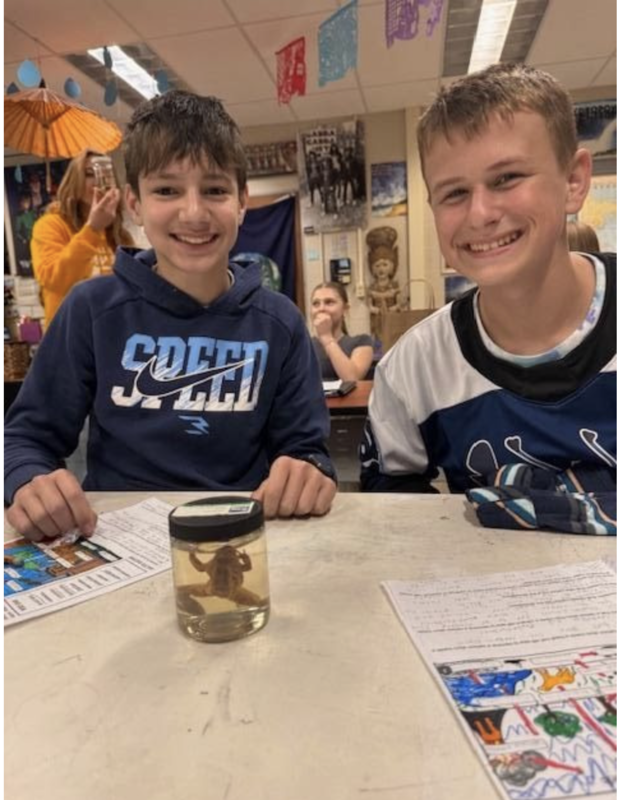
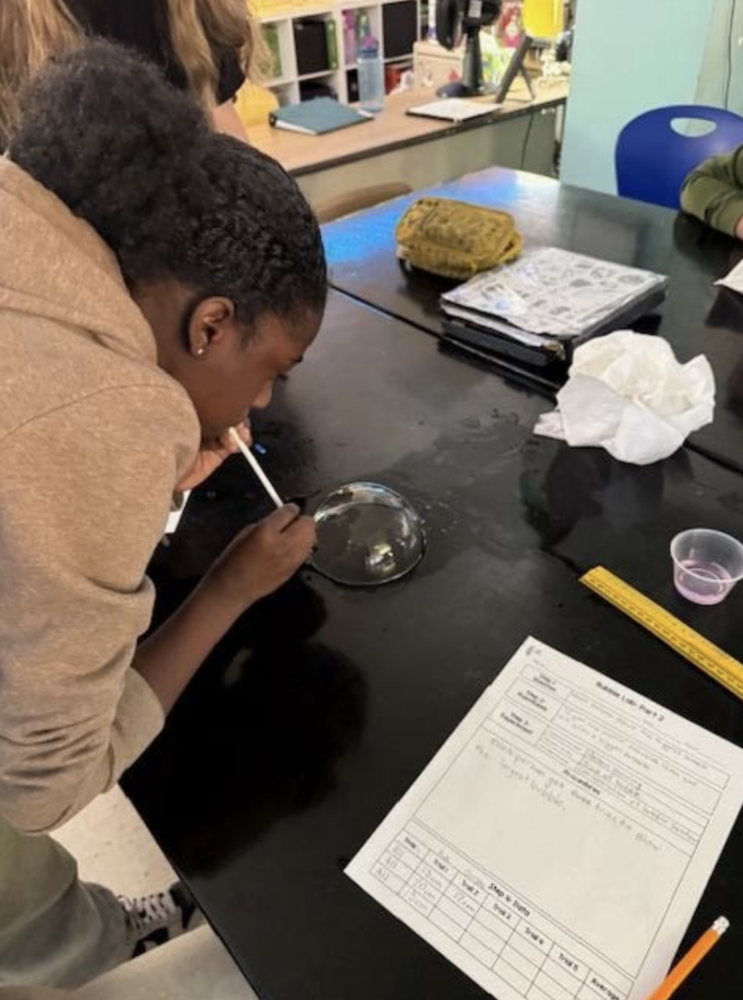
The students highlighted the hands-on lab experiences and investigations taking place in their classrooms, demonstrating how instruction has evolved into a more engaging, student-centered experience. Through presentations and demonstrations, students explained scientific concepts, shared lab results, and confidently answered questions from attendees.
“This presentation was a wonderful example of deeper learning through hands-on science, real-world application, student voice, and high-quality curriculum in action,” said Assistant Superintendent of Curriculum, Instruction, and Assessments Natalie Matthews. “We are incredibly proud of our seventh-graders for representing IMS with such professionalism and excitement.”
The showcase also reflected the district’s broader commitment to S.T.E.A.M. education, integrating science, technology, engineering, arts, and mathematics throughout the curriculum.
At the middle school level, students explore robotics, 3D design, and pre-engineering concepts while engaging in authentic scientific practices that foster critical thinking and problem-solving. Students also have unique opportunities to connect classroom learning to future careers through partnerships such as virtual medical rounds with the Cleveland Clinic.
Meanwhile, younger learners at Independence Primary School are discovering science through outdoor exploration and hands-on activities. Fourth-grade students, for example, investigate landforms and water movement by observing how terrain affects water flow in outdoor learning spaces.
The curriculum even extends into hydroponics, where students help grow food that can be used in the cafeteria, giving them firsthand experience with sustainability, agriculture, and environmental science.
Teachers across the district have participated in ongoing professional development to support the transition to more active learning environments. The curriculum emphasizes lab-based instruction, authentic scientific inquiry, and opportunities for students to take ownership of their learning.
“In the past, creating engaging science labs often meant searching through the storage room and figuring out how to build lessons with whatever materials were available, whether that was pie tins, pipe cleaners, salt, or other odds and ends,” said Rio Vince, Independence Middle School science teacher. “While those experiences could be successful, they were also time-consuming to prepare. Having high-quality materials and lab kits provided through the new curriculum has been a game-changer. It gives me more time and energy to focus on student learning instead of gathering supplies and designing labs from scratch.”
“I still adapt lessons to fit our students’ needs, but now, instead of studying electricity and circuits through diagrams and worksheets, students can use hands-on kits that include batteries, light bulbs, switches, resistors, and other components to build and create,” added Vincz. “That level of interaction leads to much deeper engagement. Students are excited because they're experiencing science in ways that feel authentic and new. Something as simple as lighting a candle with a match during a heat transfer lesson becomes memorable because many students have never done it before. Those real-world experiences create curiosity, increase motivation, and help students connect more deeply with what they're learning.”
District leaders say the curriculum aligns directly with Independence Local Schools’ vision of preparing students for future success through innovative learning opportunities and meaningful real-world experiences.
Whether students are engineering robotic solutions, conducting laboratory experiments, analyzing environmental systems, or presenting their findings to community leaders, the goal remains the same: helping students become confident thinkers, problem-solvers, and lifelong learners.